August 1, 2026
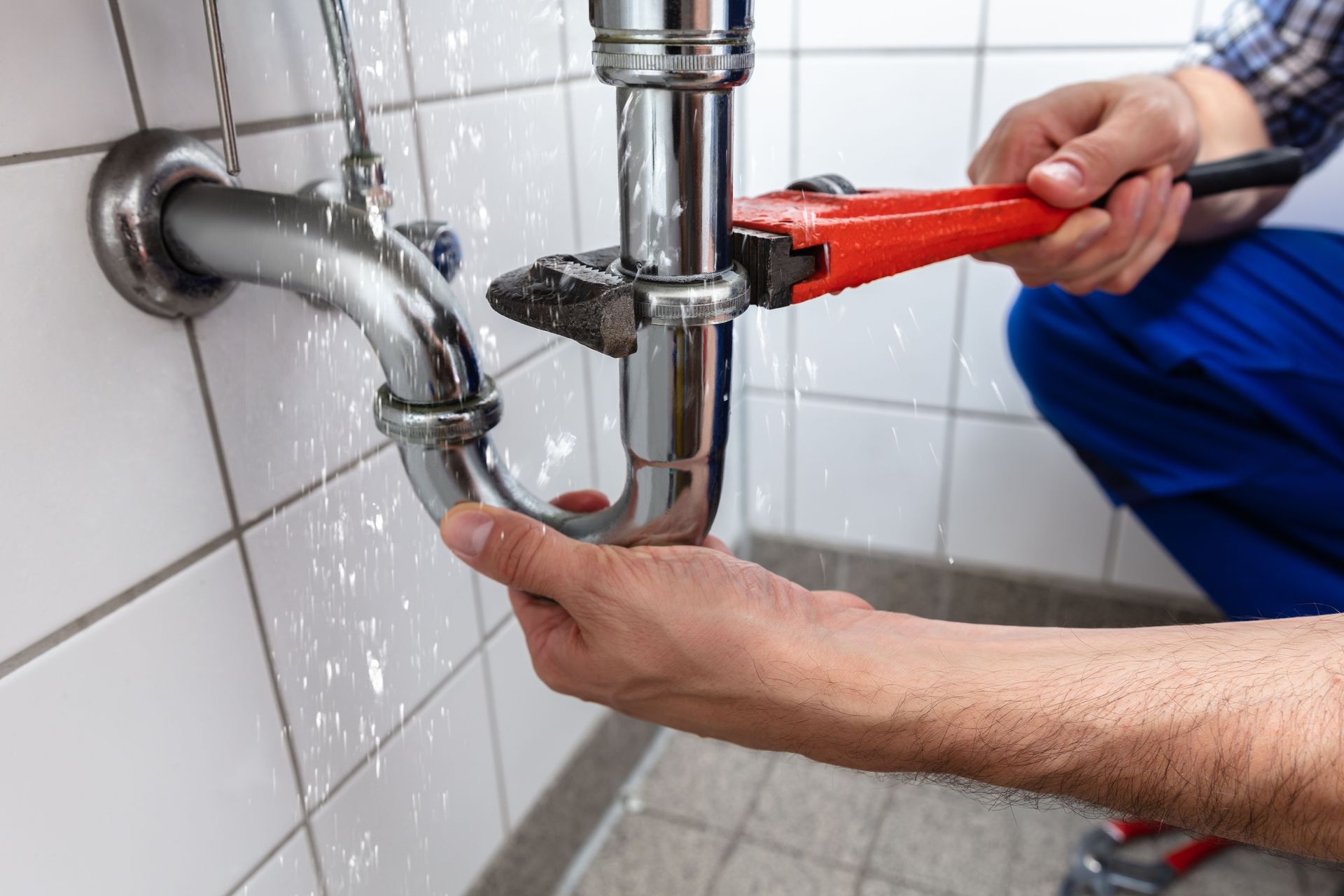
A sudden water leak, clogged drain, or failed water heater can quickly turn an ordinary day into a stressful situation. Some household problems may seem minor at first but can cause serious damage if they are ignored for too long. Acting quickly is especially important when water is actively leaking or spreading through your home. While a temporary solution may help control the immediate problem, lasting repairs often require professional attention. Knowing what to do right away can help you respond with greater confidence when an unexpected problem occurs.
1. Shut Off Water During a Major Leak
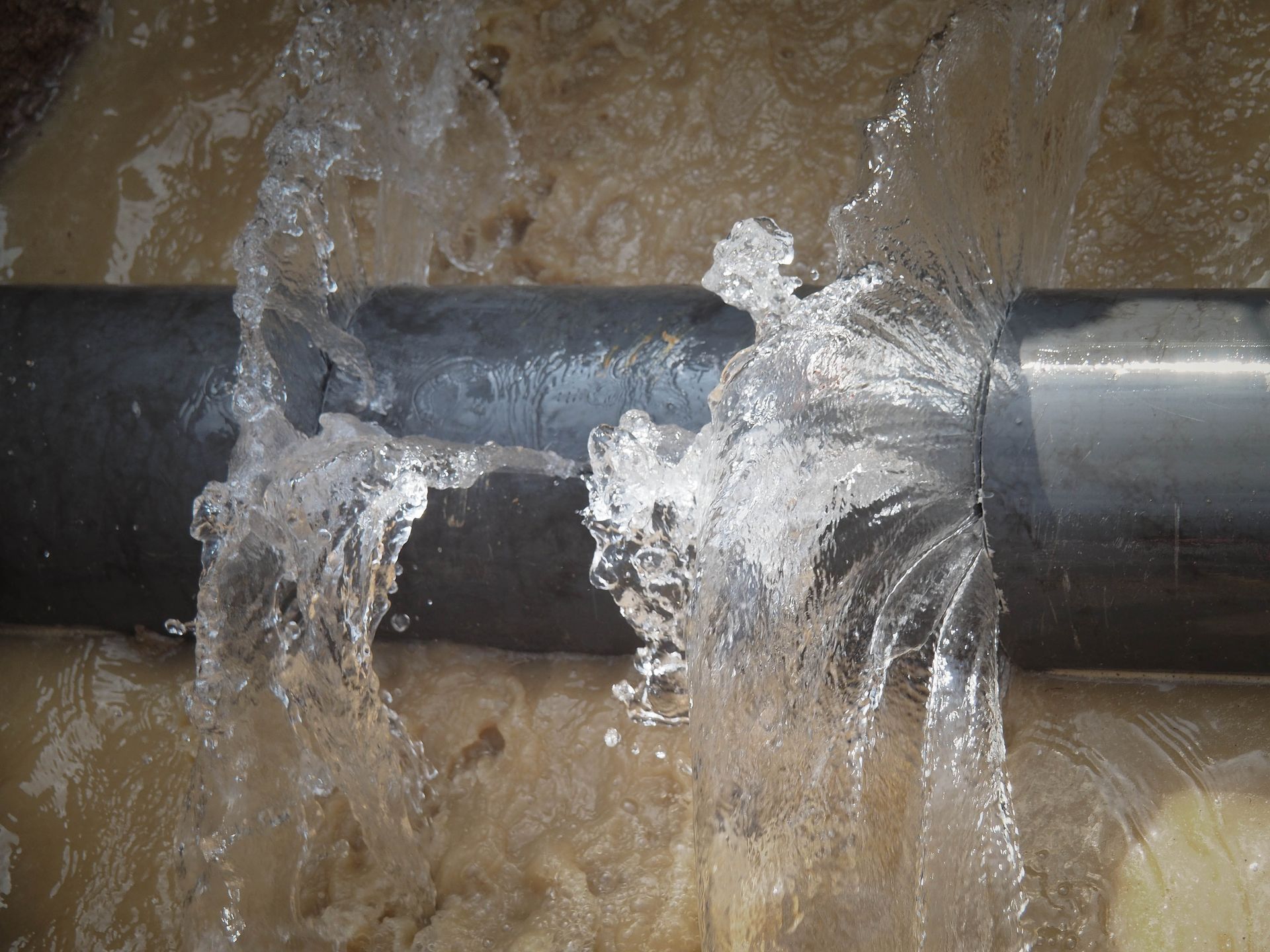
A burst pipe or major leak can release a significant amount of water into your home within a short period. The first step is to locate the nearest shutoff valve and turn it off as quickly as possible. According to This Old House, a home water system generally has three potential shutoff points, including the main valve just beyond the water meter, the meter valve before the meter, and the curb stop. Knowing where these valves are before an emergency occurs can save valuable time. Once the water is off, move furniture, electronics, rugs, and other belongings away from the affected area if it is safe to do so. You should also avoid standing water near electrical outlets or appliances because it may create a serious safety hazard. After controlling the water flow, contact a plumbing service to identify the source of the leak and determine the appropriate repair. A quick response can help reduce water damage and prevent a manageable issue from becoming a much larger restoration project.
2. Clear a Completely Blocked Drain
A completely blocked drain can quickly disrupt your daily routine and may cause wastewater to back up into sinks, tubs, or other fixtures. Start by stopping the use of nearby fixtures so additional water does not worsen the blockage. If the affected drain has standing water, remove as much as possible without exposing yourself to contaminated wastewater. A plunger may help loosen a simple obstruction, but repeated attempts can sometimes push the blockage deeper into the system. Avoid pouring harsh chemical cleaners into the drain, especially if you are unsure what is causing the obstruction. These products can damage certain pipes and may create dangerous conditions for anyone who later needs to work on the system. If several drains are backing up at the same time, the issue may involve a larger blockage in the main line. In that situation, contacting a plumbing service promptly can help identify the cause and restore proper drainage.
3. Stop an Overflowing Toilet
An overflowing toilet can spread contaminated water across your bathroom floor and create the potential for extensive water damage. The first thing to do is stop the flow of water by turning the shutoff valve near the base of the toilet. If the valve is difficult to turn, carefully lift the tank lid and raise the float mechanism to stop additional water from entering the tank. Do not continue flushing the toilet while the blockage remains unresolved. Towels can help contain a small amount of water, but extensive overflow may require professional cleanup and repair. A plunger may resolve a basic clog, but persistent backups can indicate a deeper obstruction in the drain line. If the toilet continues overflowing after basic steps, avoid using nearby fixtures until the cause has been identified. Prompt attention from a plumbing service can help protect flooring, baseboards, and other areas from prolonged exposure to contaminated water.
4. Repair a Burst or Frozen Pipe
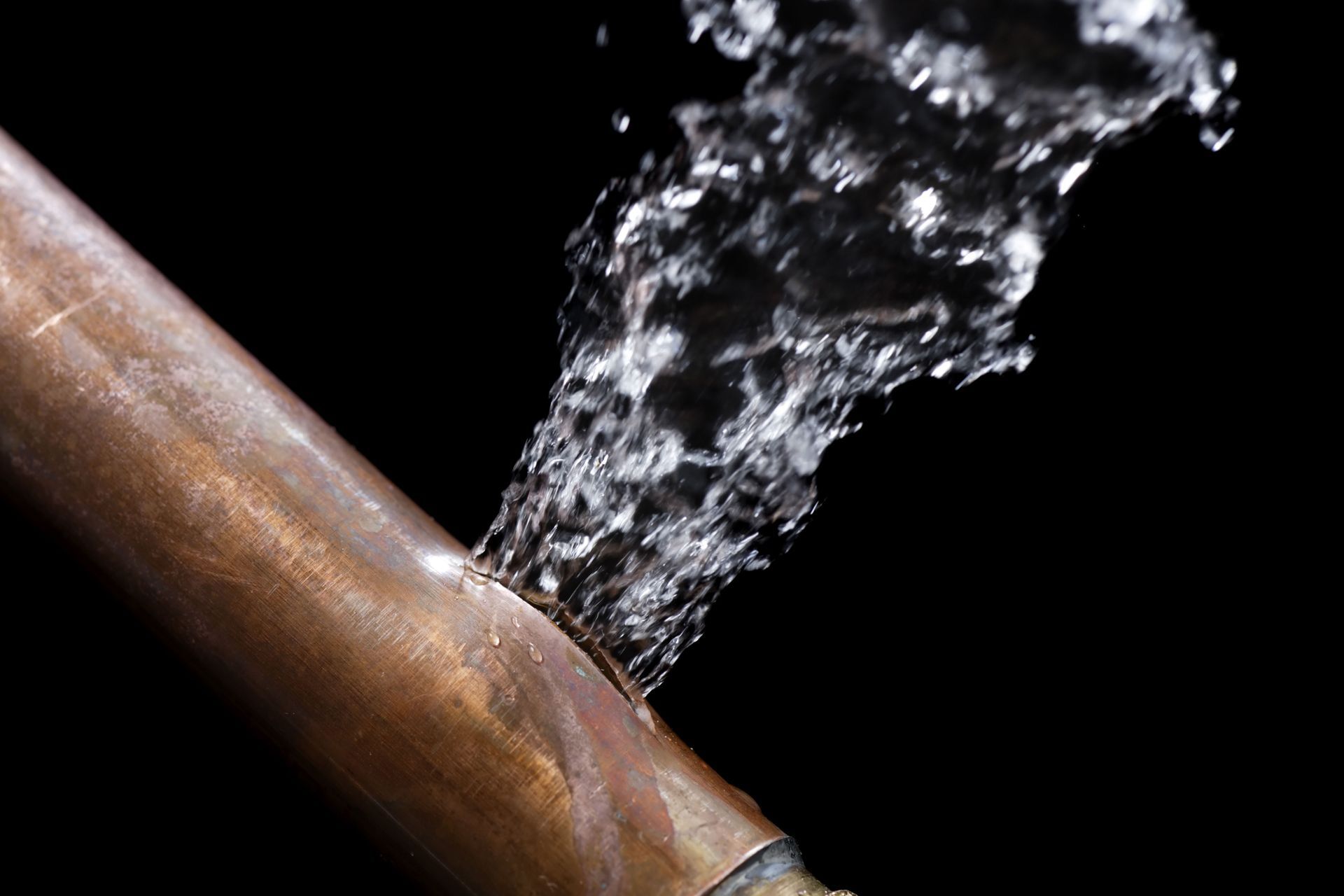
Burst pipes can cause severe water damage because they may release water continuously until the supply is shut off. Frozen pipes are especially vulnerable to cracking when expanding ice creates pressure inside the line. If you suspect a pipe has burst, shut off the water supply immediately and open a nearby faucet to help relieve pressure from the system. Never use an open flame to thaw a frozen pipe because doing so can create a serious fire hazard. A hair dryer or another carefully controlled heat source may sometimes help thaw an accessible frozen section, but hidden or damaged pipes require professional attention. Look for signs such as damp walls, water stains, unusual sounds, or unexplained drops in water pressure. Even if a visible leak appears small, water may be traveling behind walls, beneath flooring, or into insulation. A plumbing service can locate the damaged section, complete the repair, and check for additional problems that may not be immediately visible.
5. Restore a Failed Water Heater
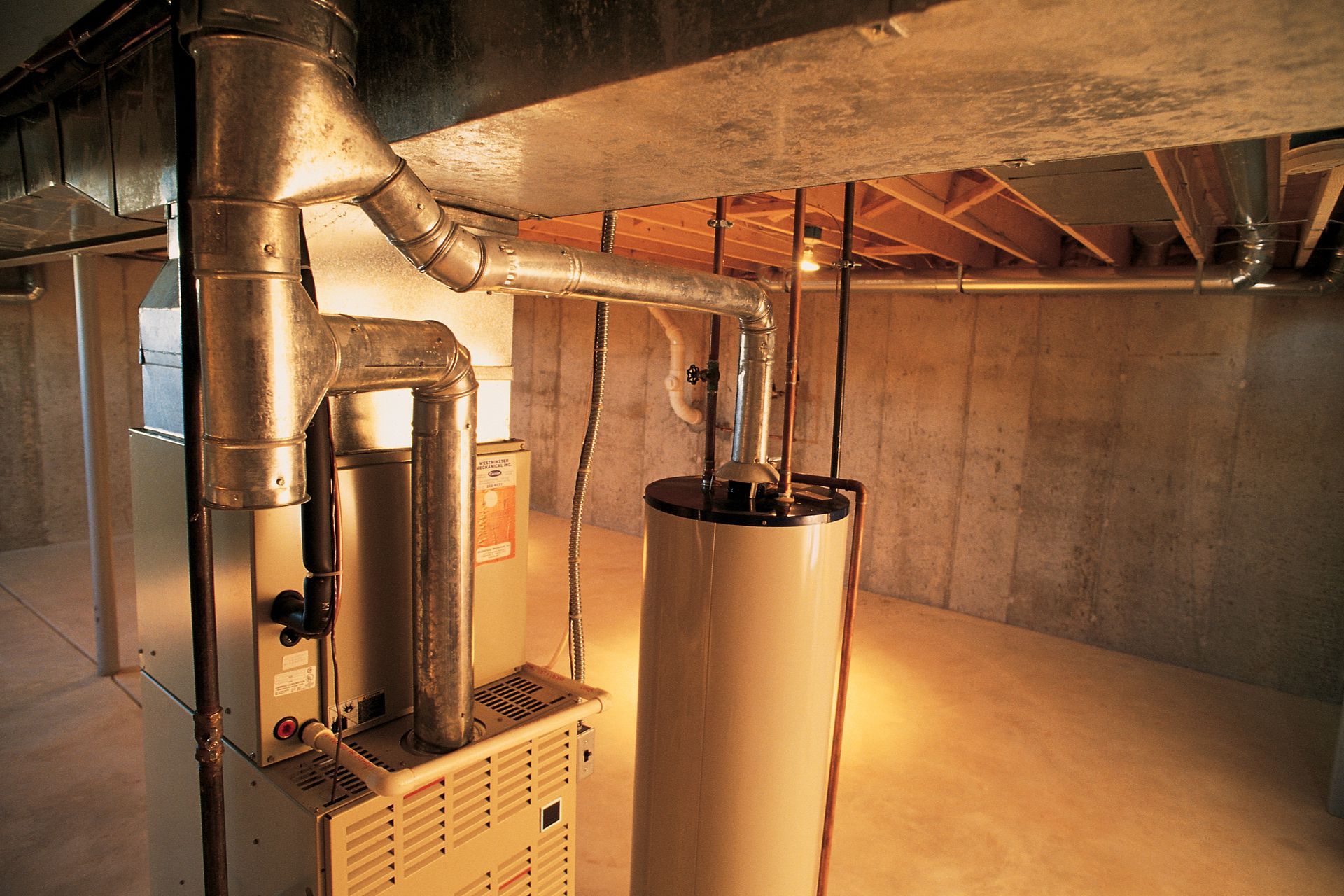
A water heater failure can leave your household without hot water and may also create a serious leak. If water is pooling around the unit, turn off the water supply to the heater if you can do so safely. Electric models should have their power turned off at the appropriate breaker, while gas units may require the gas supply to be shut off when there is a suspected problem. Do not attempt to repair electrical or gas components unless you have the proper training and experience. Rust-colored water, unusual noises, inconsistent temperatures, and visible leaks can all indicate that the system needs attention. A leaking tank may continue releasing water and can damage surrounding floors or belongings. Professional evaluation can determine whether the unit needs a repair, replacement component, or complete replacement. Addressing water heater issues quickly can help restore comfort and reduce the possibility of additional property damage.
6. Respond to a Sewer Backup
A sewer backup is one of the most unpleasant emergencies a homeowner can experience because it may introduce contaminated wastewater into living areas. Stop using sinks, toilets, washing machines, and other fixtures until the source of the backup is understood. Keep children and pets away from affected areas to limit exposure to contaminated water. Do not attempt to clean significant sewage contamination without appropriate protective equipment and proper sanitation procedures. A backup may be caused by a blockage in the home's main line, damaged piping, or an issue farther along the sewer system. Multiple fixtures backing up at once are often a sign that the problem is larger than a single clogged drain. Professional assistance can help identify the obstruction and determine the safest way to restore the system. Prompt action is important because contaminated water can damage flooring, walls, furniture, and other materials if it remains in place.
7. Fix a Sudden Loss of Water Pressure
A sudden loss of water pressure can indicate a problem somewhere within your home's water system. First, check whether the issue affects one fixture or the entire property. If only one faucet is affected, a clogged aerator or fixture-specific issue may be responsible. If water pressure drops throughout the house, the cause could involve a leak, damaged pipe, failing pressure regulator, or an issue with the incoming supply. Look around exposed pipes, utility areas, and fixtures for signs of moisture or unusual dripping. Avoid ignoring a sudden and unexplained change because some leaks remain hidden behind walls or beneath floors. A plumbing service can inspect the system and use appropriate diagnostic methods to identify the source of the pressure problem. Addressing the underlying cause can help prevent additional damage and restore reliable water flow throughout the home.
8. Address a Gas or Water Emergency Safely
Some emergencies involve hazards that require immediate caution rather than hands-on troubleshooting. If you smell gas near a water heater or another gas-powered appliance, avoid using switches, flames, or anything that could create a spark. Leave the area and contact the appropriate emergency service from a safe location. If the emergency involves active water damage, shut off the supply only when you can do so without entering an unsafe area. Keep electrical equipment away from standing water and never assume that a small leak is harmless. Professional technicians can evaluate the situation and determine which repairs are needed to restore safe operation. Attempting complex repairs without proper knowledge can increase the risk of injury or cause additional damage to the home. Knowing when to step away and call for help is an important part of responding to any household emergency.
When a sudden leak, backup, burst pipe, or water heater problem affects your home, Carolina Plumbing & Repair is ready to help. Our plumbing service can assess the issue, explain the necessary repairs, and work toward restoring your home's water systems as quickly as possible. Contact us today for dependable emergency assistance when you need it most.