July 18, 2026
Most homeowners don't think about their water heater until it stops working. Then it's a scramble: cold showers, standing water in the garage, and a same-day call to whoever can show up first. That reactive approach almost always costs more, limits your choices, and adds unnecessary stress to what should be a straightforward home maintenance decision. Planning ahead changes everything. When you understand the warning signs, the replacement timeline, and what factors into the decision, you put yourself in control instead of at the mercy of an emergency. This guide walks through what every homeowner should know about water heater replacement planning, long before a leak forces your hand.
Recognizing the Signs of an Aging Water Heater
Every water heater has a lifespan, and most conventional tank units last between eight and 12 years with regular maintenance, in our experience. As your unit approaches that range, it starts sending signals that replacement is on the horizon. Rusty or discolored water, unusual rumbling or popping sounds during heating cycles, and a noticeable drop in hot water output are all common indicators. You might also notice moisture pooling near the base of the tank, which often signals a slow internal leak developing.
None of these signs mean your water heater will fail tomorrow, but they do mean the clock is running. Catching these symptoms early gives you the luxury of time, and time is exactly what you lose when a tank ruptures unexpectedly. A professional inspection can confirm whether you're looking at a repair or a replacement, and getting that assessment before a crisis hits is one of the smartest moves a homeowner can make.
Understanding the Cost of Waiting Too Long
It's tempting to squeeze every last year out of an old water heater, but that approach often backfires. Older units become less energy efficient over time, meaning you're paying more on your utility bills just to keep the same water heater limping along. Sediment buildup inside the tank reduces heating efficiency further, forcing the system to work harder and wear out faster.
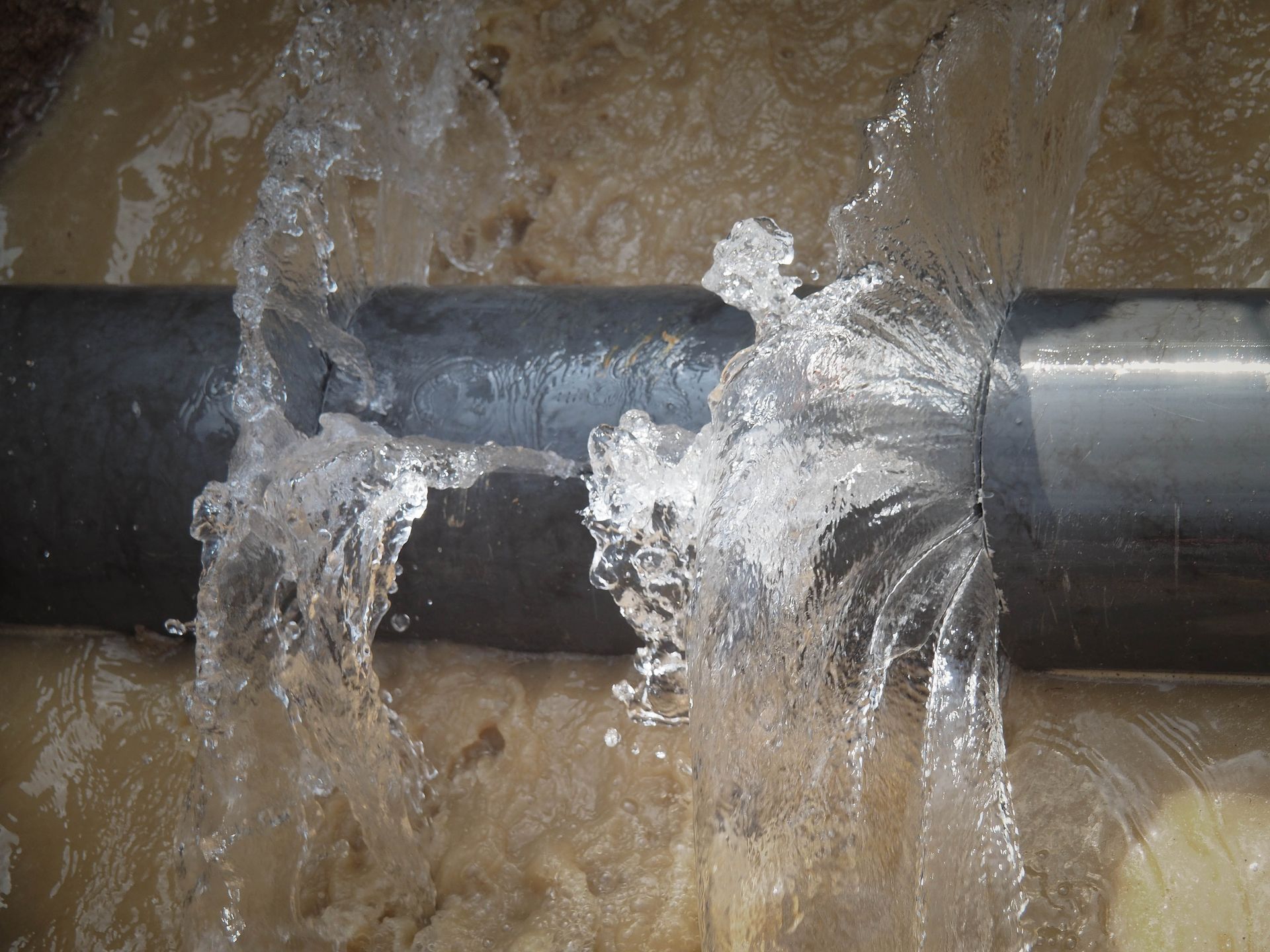
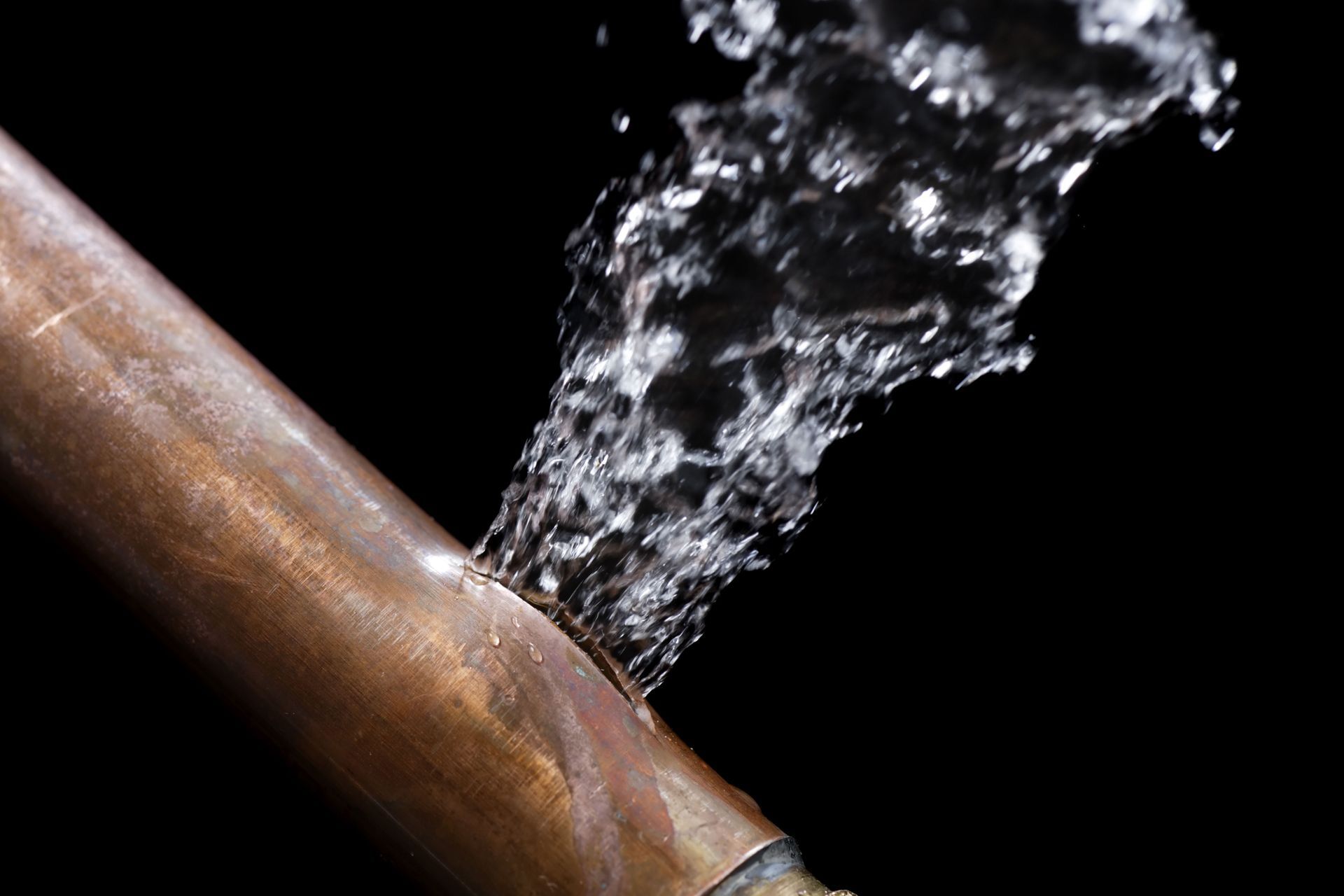
Then there's the risk of catastrophic failure. A ruptured tank doesn't just leave you without hot water; it can flood your basement, damage flooring, and destroy anything stored nearby. Water damage restoration is expensive and disruptive, and it's a cost that responsible planning can help you avoid entirely. Waiting until the last possible moment rarely saves money. It just shifts the expense from a planned purchase to an unplanned disaster.
Comparing Tank and Tankless Water Heater Options
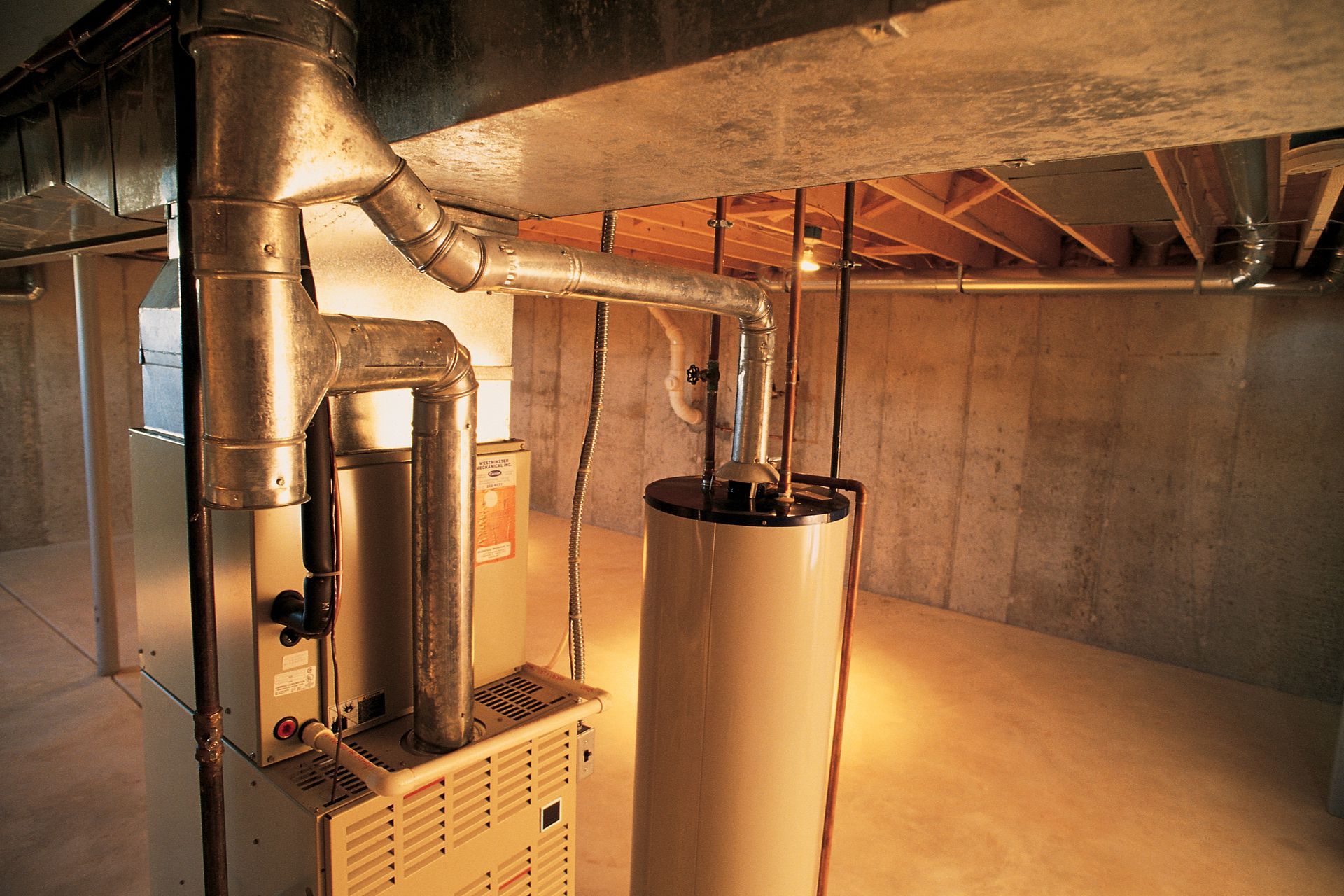
When it's time to replace your unit, you'll typically choose between a traditional tank water heater and a tankless model. Tank water heaters are generally less expensive upfront and familiar to most homeowners, storing and heating a set volume of water ready for use. Tankless water heaters heat water on demand, which means no standby energy loss and, in many cases, a longer lifespan.
The right choice depends on your household size, hot water usage patterns, and budget. A tankless water heater can be a strong long-term investment for larger families with high hot water demand, while a tank model may be perfectly sufficient for smaller households. This is exactly the kind of decision that benefits from research done in advance rather than under pressure. According to This Old House, homeowners are encouraged to explore their options ahead of time so they can make a well-informed purchase, rather than being forced into a rushed decision within 24 hours because a leaking unit left them no other choice.
Sizing Your Water Heater to Match Household Needs
One of the most common mistakes homeowners make during a rushed replacement is choosing a unit that doesn't match their actual needs. A water heater that's too small will leave you running out of hot water during peak usage, while an oversized unit wastes energy and money. Proper sizing depends on factors like the number of people in your household, peak hot water demand, and the specific fixtures and appliances drawing from the system.
Taking the time to calculate these needs accurately, rather than grabbing whatever unit is available during an emergency, ensures your new water heater actually performs the way you expect. This is another area where professional guidance pays off. A licensed plumber can run the numbers and recommend a system sized correctly for your home, saving you from years of frustration with a unit that never quite meets your needs.
Budgeting for a Planned Water Heater Replacement
Replacement costs vary depending on the type of unit, installation complexity, and any additional work required, such as updating venting or electrical connections. Planning ahead allows you to budget realistically instead of absorbing an unexpected expense all at once. You can research pricing, compare quotes from multiple professionals, and even time your purchase around sales or seasonal promotions.
A planned budget also gives you room to consider higher-efficiency models that cost more upfront but save money over the unit's lifespan. Emergency replacements rarely allow for that kind of cost-benefit analysis. When you're standing in a flooded utility room, you take whatever's available at whatever price is quoted. Advance planning puts the financial decision back in your hands.
Scheduling Installation Before an Emergency Strikes
Timing matters more than most homeowners realize. Scheduling a water heater replacement on your own terms means you can pick a convenient date, ensure the right permits are in place, and avoid the premium pricing that often comes with emergency service calls. It also gives your plumber time to properly assess your home's plumbing, venting, and electrical setup before installation day.
Emergency replacements, by contrast, are rushed by necessity. There's little time for a thorough walkthrough, and homeowners often accept whatever unit is in stock rather than the one best suited to their home. Proactive scheduling eliminates that pressure entirely and results in a smoother installation process from start to finish.
Trusting Professionals With Water Heater Installation
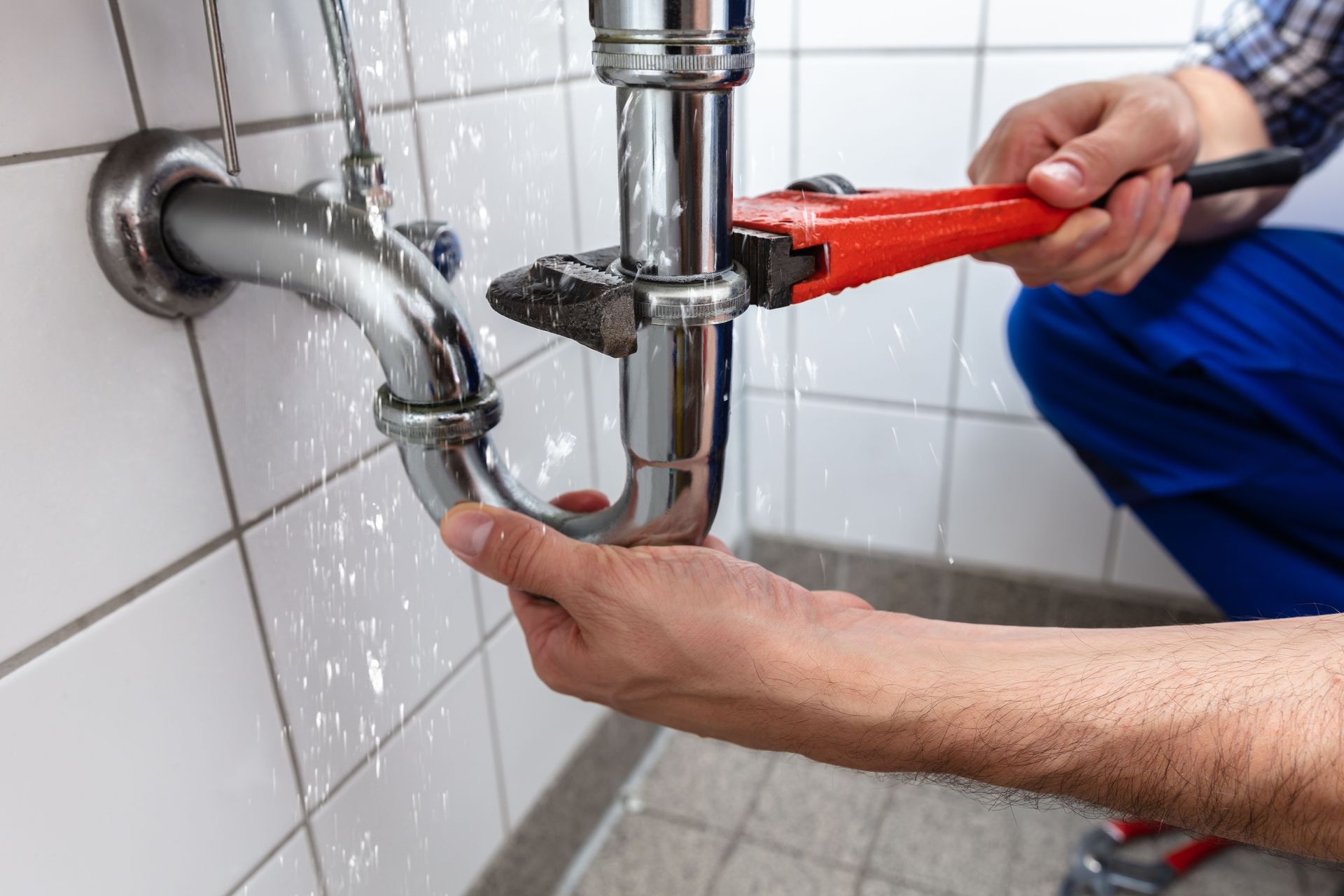
Water heater installation involves more than connecting a few pipes. It requires proper venting, correct electrical or gas connections, and adherence to local building codes. Mistakes in any of these areas can lead to safety hazards, inefficient operation, or even void the manufacturer's warranty. This is why working with a licensed, experienced professional matters so much, whether you're replacing a tank or tankless water heater.
A qualified technician will also help you navigate permit requirements, ensure your new unit is properly sized, and verify that the installation meets all safety standards. DIY installation or hiring unlicensed help might seem like a way to save money, but the risks involved with gas lines, electrical work, and water damage make professional installation well worth the investment. Trusting the process to trained hands protects both your home and your family.
Replacing a water heater doesn't have to be a stressful, last-minute scramble. By recognizing the early signs of wear, understanding your replacement options, and budgeting realistically, you can approach this decision with confidence instead of panic. The homeowners who fare best are the ones who treat water heater replacement as a planned project rather than an emergency response. That mindset shift saves money, reduces stress, and ensures you end up with a system that truly fits your home's needs.
If your water heater is showing signs of age or you simply want an expert opinion on your options, we'd love to help. At Carolina Plumbing & Repair, our team specializes in water heater assessments, sizing, and professional installation done right the first time. Reach out to us today to schedule a consultation and get ahead of the problem before it becomes an emergency.